
Format Coconut, Explained: Lorcana's New Multiplayer Format
Lorcana's official multiplayer format is here in open beta: 60-card decks, one copy of everything, three inks, and a race to 25 lore. Here is how Format Coconut works, how deckbuilding changes, and why your bulk box just became interesting.

Lorcana finally has an official answer to “can we all play at once?” It is called Format Coconut, it is in open beta from Ravensburger, and it is the closest thing Lorcana has to the big-table multiplayer formats that other card games are famous for. Three or four players, one deck built around a favorite character, first to 25 lore wins. If you have a shoebox of spare Lorcana cards and a group of friends, you already have most of what you need.
Because this is an open beta, the rules can change. This is a living guide, and we will keep it updated as Ravensburger tunes the format.
What Format Coconut is
The short version:
- 3 to 4 players, free-for-all, taking turns around the table.
- First to 25 lore wins instead of the usual 20, so games run a little longer.
- Your deck is at least 60 cards and can use up to three inks instead of the usual two.
- Your deck is built around a Coconut: a special ability card you pick in the official Disney Lorcana companion app.
- Except for one special case we will get to, your deck can only have one copy of each card.
Everything else plays like the Lorcana you already know. You ink one card a turn, you quest for lore, you challenge, songs still get sung. The rules that change are the ones that shape the deck, and that is where it gets interesting.
The Coconut: a commander that lives in your phone
When you sit down to build, you start by choosing a Coconut card in the companion app. There are eighteen of them in the beta, each themed around a beloved character: Mickey Mouse, Stitch, Ursula, Dumbo, Winnie the Pooh, and more. Choosing one is free, and the Coconut card is digital only. It never goes in your physical deck, it costs nothing to play, and nobody can remove it. Its ability is simply always on for you, the whole game.
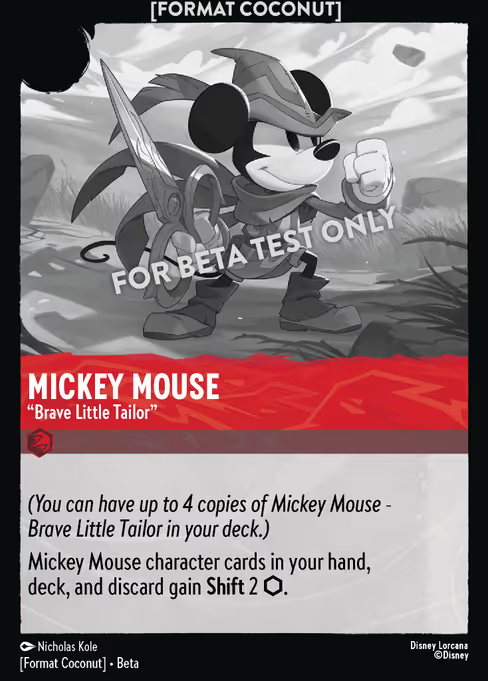
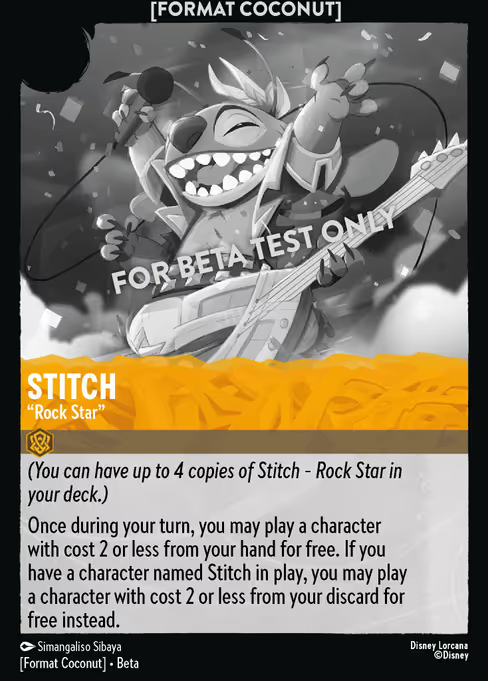
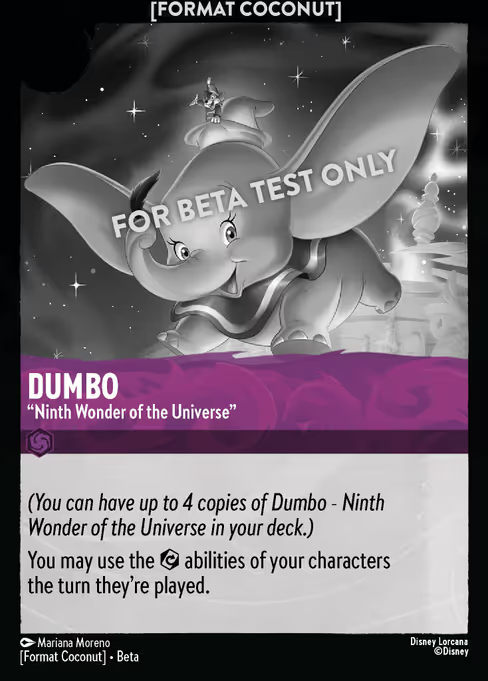
A note on what to call it. Ravensburger’s word is Coconut, and that is the one you will see in the app and in the rules. Most players call it their leader, the way other card games do, and that is the word we use for the role. So “a Tinker Bell leader” and “the Tinker Bell Coconut” mean the same thing: the character your deck is built around, and the always-on ability that comes with them.
Each Coconut does two things:
- It gives you a permanent ability. For example, the Mickey Mouse Coconut makes every Mickey Mouse card in your deck cheaper to bring out through his Shift keyword, and the Dumbo Coconut lets your characters use their exert abilities the same turn they come into play, no waiting for the ink to dry.
- It unlocks a playset. Your deck may run up to four copies of the specific card your Coconut names, like Mickey Mouse - Brave Little Tailor or Dumbo - Ninth Wonder of the Universe. That playset is the one exception to the one-copy rule, and it becomes the engine your whole deck revolves around. The Coconut itself is not one of those four: it never goes in your deck, so it is not a copy of anything, and you still need four real copies of the card. One Coconut, the sly fox from Zootopia, even unlocks a second playset of Pawpsicle to sell you on an all-items game plan.
One of your deck’s inks must match your Coconut’s ink. The other two are yours to choose.
One copy of everything changes how you build
Here is the rule that flips deckbuilding on its head: outside your Coconut’s playset, you can only run one copy of each card. If you have built a regular Lorcana deck, you know the routine is four copies of your best cards for consistency. In Coconut, that safety net is gone, and two things follow from it.
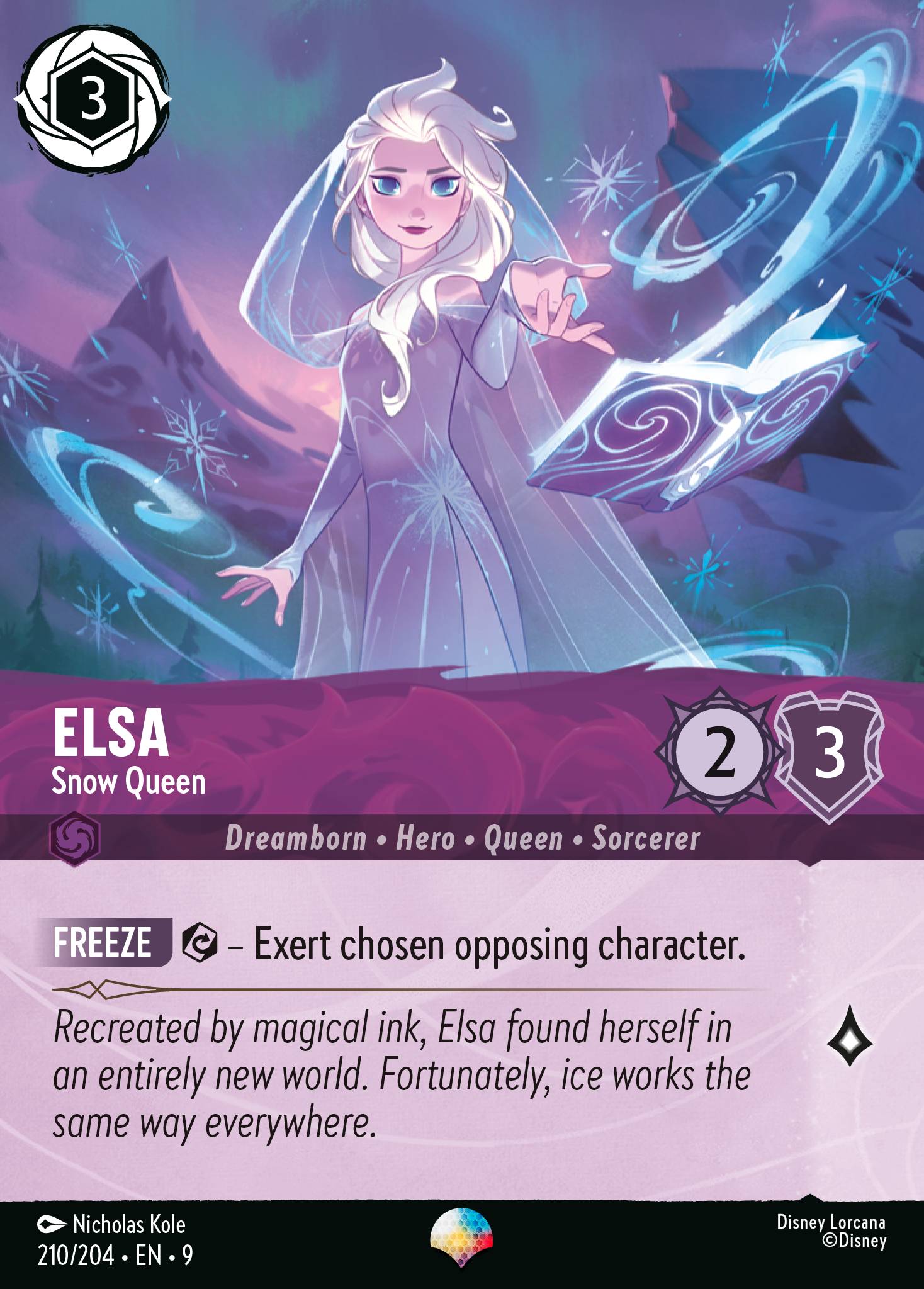
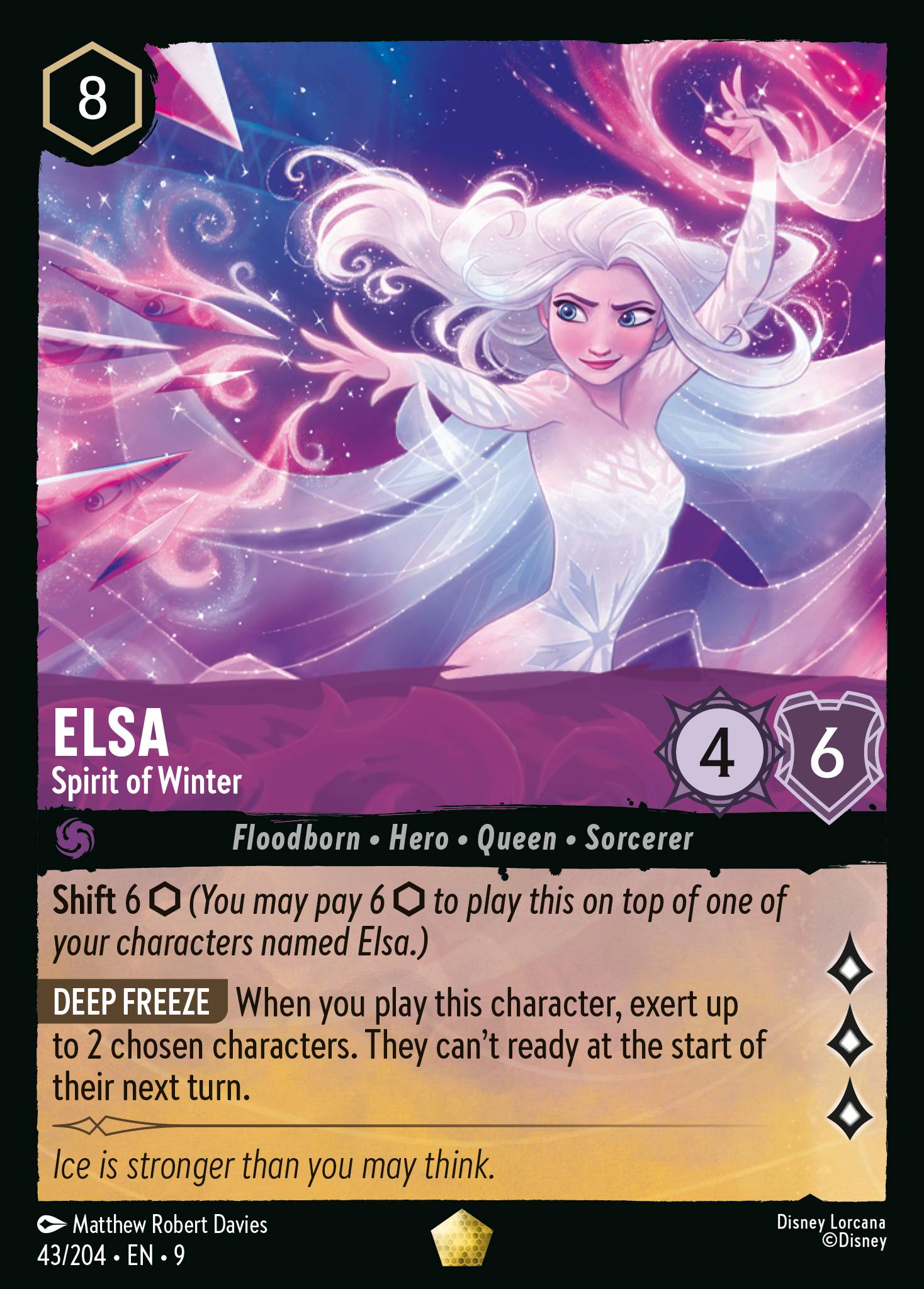
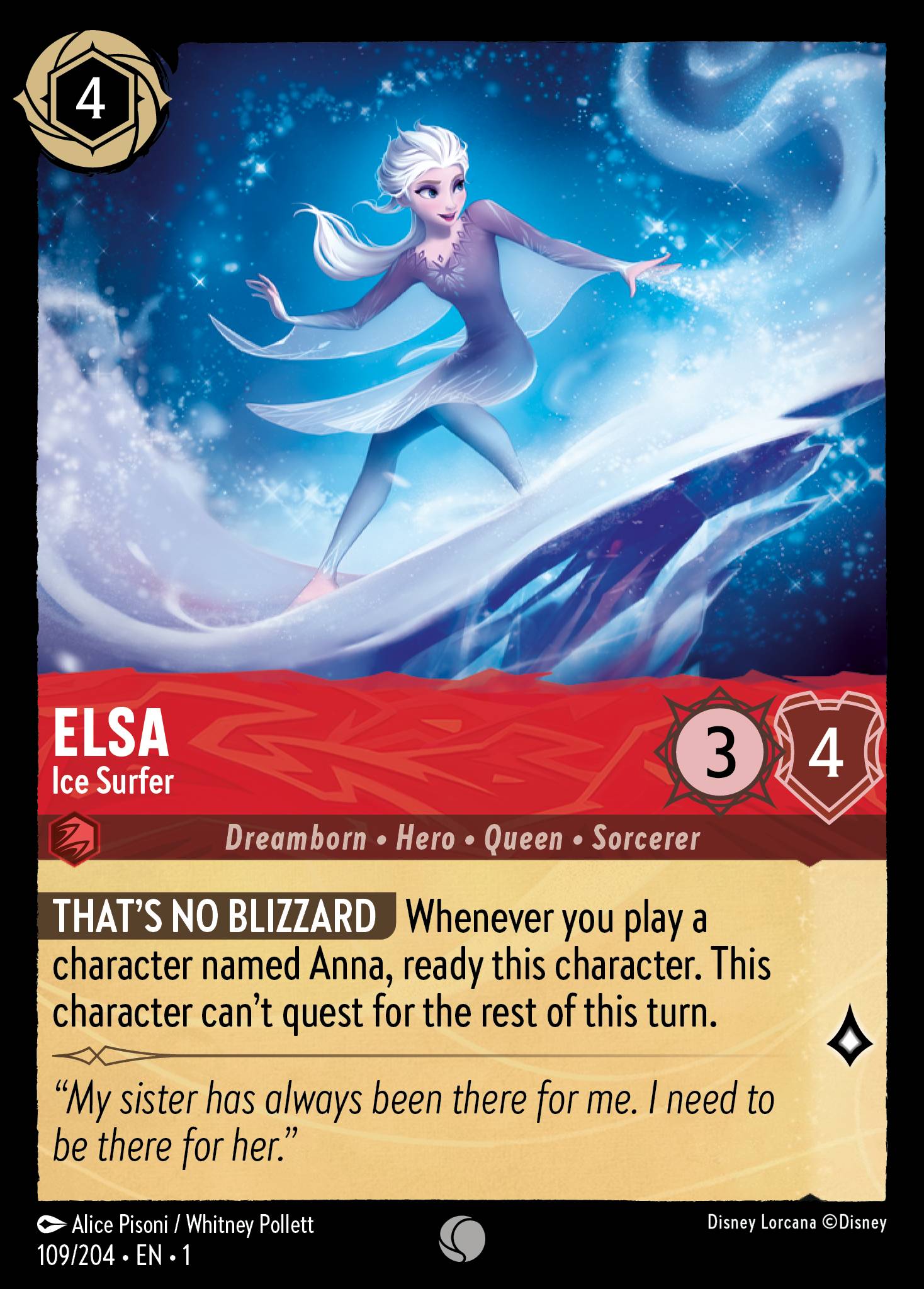
Different versions are different cards. The one-copy rule counts the full name, name and subtitle together. That means Elsa - Snow Queen, Elsa - Spirit of Winter, and Elsa - Ice Surfer are three different cards, and you can run all three. Every card that cares about a character’s name still sees all of them. Shift still works, since any Elsa can shift onto any other Elsa. Suddenly that stack of assorted Mickeys in your binder is not a pile of spare parts. It is a deck concept.
Redundancy comes from effect, not copies. You cannot run four copies of your favorite removal card, so instead you run four different cards that do a similar job. Where a regular deck runs a playset of one draw spell, a Coconut deck runs a whole suite of different ones, like Friends on the Other Side next to whatever else refills your hand in your colors. The deck feels different every game, which is half the fun, and it rewards players who know the whole card pool instead of just the meta staples.
This is also the format where a big collection of singles finally pays off. A regular competitive deck wants four copies of a few expensive cards. A Coconut deck wants one copy of sixty different cards, and most of them can be the fun, cheap ones that never made the cut in constructed. That bulk box you have been meaning to sort? It is a Coconut goldmine now.
Three inks, and why it costs you nothing
Coconut decks can run up to three inks. If that sounds risky, here is the secret: it is not. Lorcana’s ink is colorless when you spend it. Any inkable card can go face down into your inkwell, and no card demands a specific color of ink to be played. The two-ink limit in regular play is purely a deckbuilding restriction, not a resource system, so widening to three inks does not make your draws worse the way a greedy mana base does in other games.
Practically, three inks means a deeper singleton pool to fill sixty slots, better access to answers, and more room for your Coconut’s theme. When we counted every legal community deck in August 2026, 86 of 88 ran the full three.
One tip that matters more here than anywhere else: keep your inkable density high. In a singleton deck you cannot rely on drawing the exact curve you planned, and games run long. Early community decks lean noticeably harder on inkable cards than constructed decks do, so that almost any hand can make its ink drop every turn. When in doubt, cut the uninkable flourish for the inkable workhorse.
What actually wins a multiplayer game
Multiplayer changes card values in ways that surprise constructed players:
- Effects that hit every opponent get better. A card like Grab Your Sword hits two or three boards at once instead of one. Worth knowing, though, that the community does not reach for damage sweepers nearly as often as the theory predicts. When we counted every legal community deck, the median number of cards that damage every opposing character was zero. The table gets attacked a different way: Be King Undisputed makes each opponent banish something, Be Prepared wipes the board including yours, and A Pirate’s Life drains lore from all three opponents at once.
- One-for-one removal gets worse. Answering a single card from a single opponent leaves the other two players ahead. Save your removal for the things that truly scare you.
- Aggro has a harder time. Attacking only pressures one opponent at a time, and the table notices whoever looks threatening. Racing to 25 lore alone into three opponents is a good way to get dogpiled.
- Engines have time to matter. With 25 lore to reach and more players between your turns, slow value cards that never got there in a two-player race have time to take over.
- Politics is a resource. Who you challenge, who you sweep, and who you leave alone are all plays. The winner is often whoever spent the least effort on defense because the table was busy elsewhere.
Card draw first, then whatever your inks offer for hitting the whole table at once, then spot interaction, then win-more. Build for the long game and let the table fight in front of you.
Building your first Coconut deck
A simple recipe that will not steer you wrong:
- Pick the Coconut that matches cards you already own. Love a character, or own a weirdly deep pile of items, songs, or one character’s versions? There is probably a Coconut for that. We wrote up all eighteen, with what each one wants and where it falls down.
- Get the playset. Up to four copies of your Coconut’s card. It is the only consistency the format lets you buy, so take all four.
- Fill the engine. Twelve to fifteen cards that directly feed your Coconut’s ability: the Evasive characters, the songs, the items, the name-matches, whatever your Coconut rewards.
- Add draw and sweepers. Aim for a good handful of each, in different flavors, since you can only run one of anything.
- Round out to 60 with inkable, flexible cards. Cheap questers, utility characters, and answers. Favor cards that can be inked when the plan does not need them.
Each of those steps has real math behind it, and some of it is counterintuitive enough that it is worth its own guide. If you want the full build process, including why tribal decks underperform in singleton and how to pick your third ink, read How to Build a Format Coconut Deck.
And if the homework is not the fun part for you, that is where we come in.
The fine print
- Format Coconut is an open beta. Ravensburger has said the rules may change, and the Coconut cards themselves currently exist only in the companion app.
- The beta rules do not yet spell out an official banned list or an exact card pool for the format, so expect play groups and events to set their own house expectations for now. When Ravensburger firms this up we will update this guide.
- The multiplayer rules are the standard Lorcana multiplayer rules: play passes to the left, “each opponent” really does mean everyone else, and a player who runs out of cards leaves the game with all their cards and effects.
Want a Coconut deck without the homework?
We are building ready-to-play Format Coconut decks now, built the way we build everything: real deck, real strategy notes, sleeved and ready for your game night. They are not on sale yet. If you want first pick when they land, join the list on our Format Coconut decks page and we will email you the moment the first wave is ready.
Until then, grab three friends, open the app, and go crack open that bulk box.